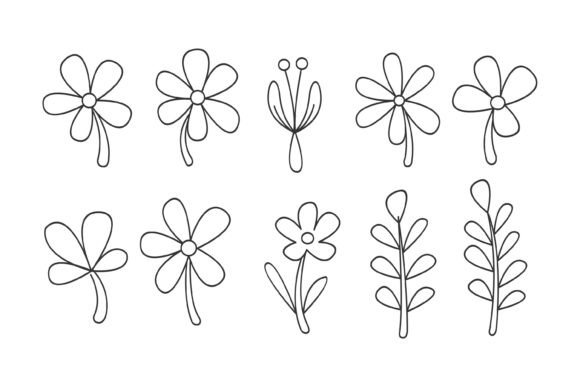
Hand-drawn Floral and Leaf Illustrations
As an embroidery designer with years of experience, I’ve seen my fair share of digital designs—some that work seamlessly in real projects, and others that fall flat when stitched. The Hand-drawn Floral and Leaf Illustrations design caught my attention for its organic feel and potential to elevate a variety of handmade products. But before I recommend it to clients or use it in my own projects, I wanted to test it thoroughly.
A First Impression: Natural, Versatile, and Timeless
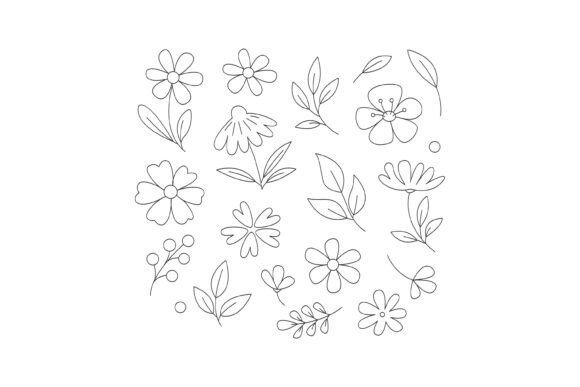
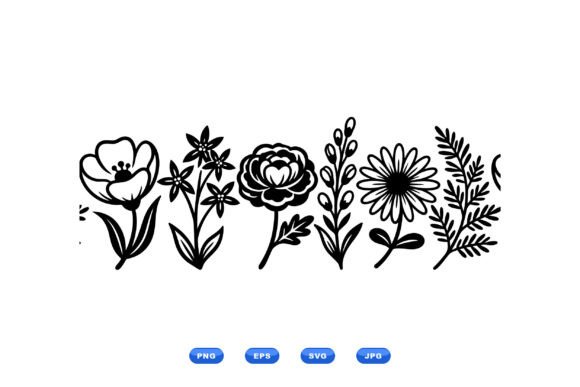
The first thing I noticed about Hand-drawn Floral and Leaf Illustrations is its soft, handcrafted aesthetic. It doesn’t feel overly structured or rigid, which makes it perfect for items that require a personal touch. The layout is balanced, with a mix of flowers, leaves, and subtle curves that give it a cohesive flow. It’s not too busy, but it has enough detail to make a statement without overwhelming the fabric.
This design feels like it belongs on custom apparel, baby items, or personalized gifts. Its style suggests a connection to nature, making it ideal for eco-conscious brands, wedding favors, or holiday decorations. The color palette is neutral, which means it can be adapted to different thread colors depending on the project.
Real-World Use: From Tote Bags to Sweatshirts
I tested Hand-drawn Floral and Leaf Illustrations on a few different fabrics and projects to see how it would perform. On a cotton tote bag, it looked great—clean lines and enough detail to make the design stand out. For a sweatshirt, the design translated well, though I had to adjust the stitch density slightly to avoid bulkiness.
On a baby onesie, the design felt appropriate and gentle, fitting the soft, handmade vibe of the item. I also tried it on a lightweight linen apron, where the hand-drawn look complemented the natural texture of the fabric. In all cases, the design maintained its integrity and didn’t lose clarity during stitching.
Where to Be Cautious: Fabric, Hoop Size, and Detail
While Hand-drawn Floral and Leaf Illustrations is versatile, there are some scenarios where it might not perform as well. On small hoop sizes, the design can feel cramped, especially if there are intricate details. If you’re working on a patch or a cap, you’ll need to ensure the hoop size accommodates the entire design without cutting off any elements.
Thin or stretchy fabrics can also be a challenge. The design requires a good stabilizer to prevent puckering or distortion. On dark fabrics, the thread color choice becomes even more important—lighter threads may not show up as well, so testing is essential.
For layered garments or curved surfaces, like caps, the design may need some adjustments to fit properly. Tiny details or lettering could be lost if the stitch density is too low, so it’s worth checking how the design translates in black and white mockups before committing to a final product.
Impact on Visual Appeal and Customer Perception
When it comes to visual appeal, Hand-drawn Floral and Leaf Illustrations adds a unique, artisanal quality to any finished product. It gives the impression of being hand-crafted, which can increase the perceived value of a handmade product or personalized gift. Customers often appreciate the effort and care that goes into such designs, which can translate to higher satisfaction and repeat business.
In terms of brand consistency, this design works well for businesses that want to maintain a natural, organic look. It can be used across multiple products, from tote bags to pillow covers, creating a cohesive aesthetic that aligns with the brand’s identity. For Etsy sellers or small shop owners, this design offers flexibility without sacrificing quality.
Practical Designer Notes: Test Before You Sell
Before using Hand-drawn Floral and Leaf Illustrations in a commercial project, I always recommend testing it on scrap fabric. This helps identify any issues with stitch density, thread color contrast, or fabric compatibility. It’s also a good idea to review the design in both light and dark backgrounds to ensure it looks good on different materials.
When working with machine embroidery design files, check the hoop size required and confirm that your embroidery machine can handle it. If you’re using this design for applique or satin stitch, make sure the file format supports those techniques. Always use the proper stabilizer for the fabric type, and consider the washing requirements of the finished product.
If you’re selling finished items or digital products, double-check the licensing terms to ensure you’re allowed to do so. Even if the design is labeled as “unlimited prints,” it’s best to confirm the exact usage rights before proceeding.
Final Thoughts: A Design That Works With You
Hand-drawn Floral and Leaf Illustrations is a design that feels like it was made with real-world use in mind. It’s not just a pretty image—it’s a practical tool for embroidery designers, crafters, and small business owners looking to add a touch of nature to their products. Whether you’re creating a custom embroidered tote bag, a baby onesie, or a holiday gift, this design has the potential to enhance your work and attract customers who appreciate handmade quality.
With a little care and testing, Hand-drawn Floral and Leaf Illustrations can become a staple in your design library. It’s a great example of how digital embroidery files can bring creativity to life, while still respecting the craftsmanship of the final product. If you’re looking for a design that balances artistry with usability, this one is definitely worth considering.